






















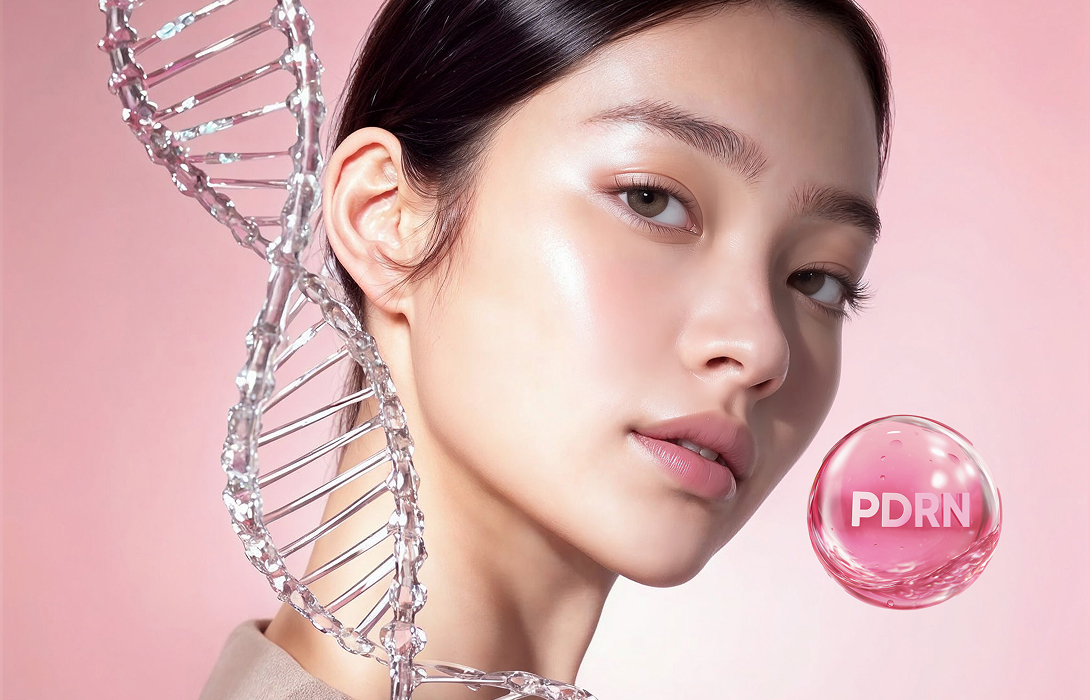
Backed by science, trusted in clinics—here’s why PDRN is more than just a passing trend.
In an industry overflowing with overused actives, PDRN is making waves—and for good reason. While hyaluronic acid is everywhere and retinol remains the gold standard for aging skin (with a side of irritation), PDRN offers something different: a fresh, science-backed alternative with real regenerative power and low irritation risk.
It’s already taken off in Korea’s aesthetic circles, and now it's making its way into skincare labs across the globe. For forward-thinking beauty brands, this could be the moment to take the lead.
What Exactly Is PDRN—and Where Did It Come From?
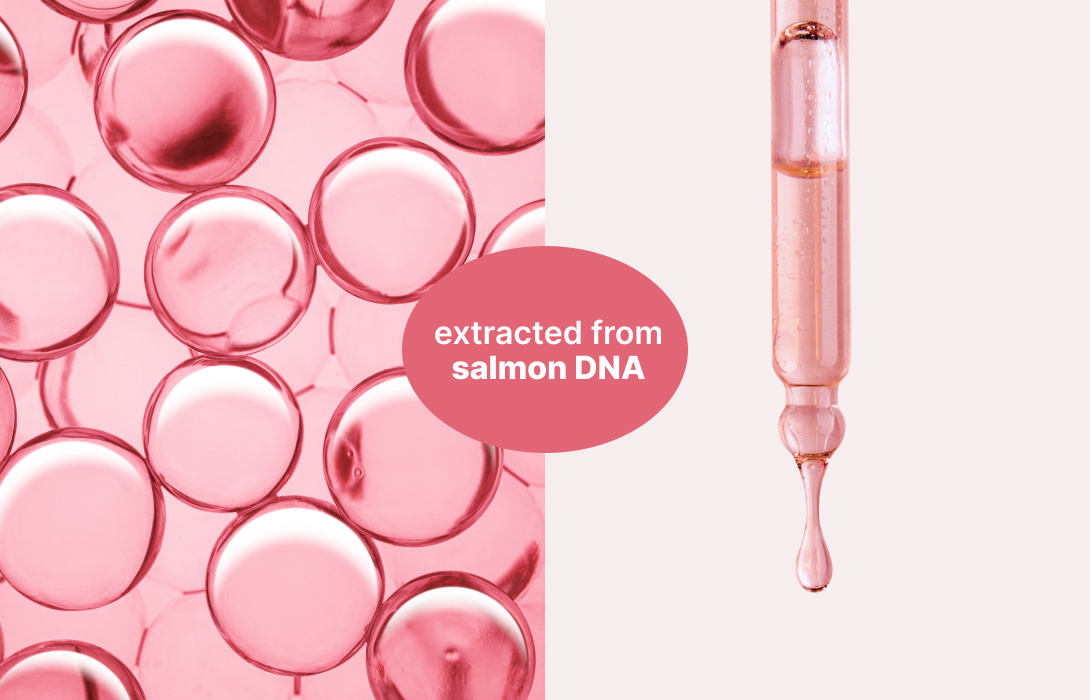
PDRN stands for Polydeoxyribonucleotide, a DNA-derived compound that was originally developed as a prescription drug. Traditionally extracted from salmon sperm DNA (rainbow trout, chum salmon), it’s now making its way into cosmeceuticals—with promising vegan alternatives like fermented ginseng, green tea, and rose extracts (e.g., Medicube's PDRN Pink Peptide Serum) emerging and showing promising regenerative benefits.
Why Is PDRN Gaining Attention?
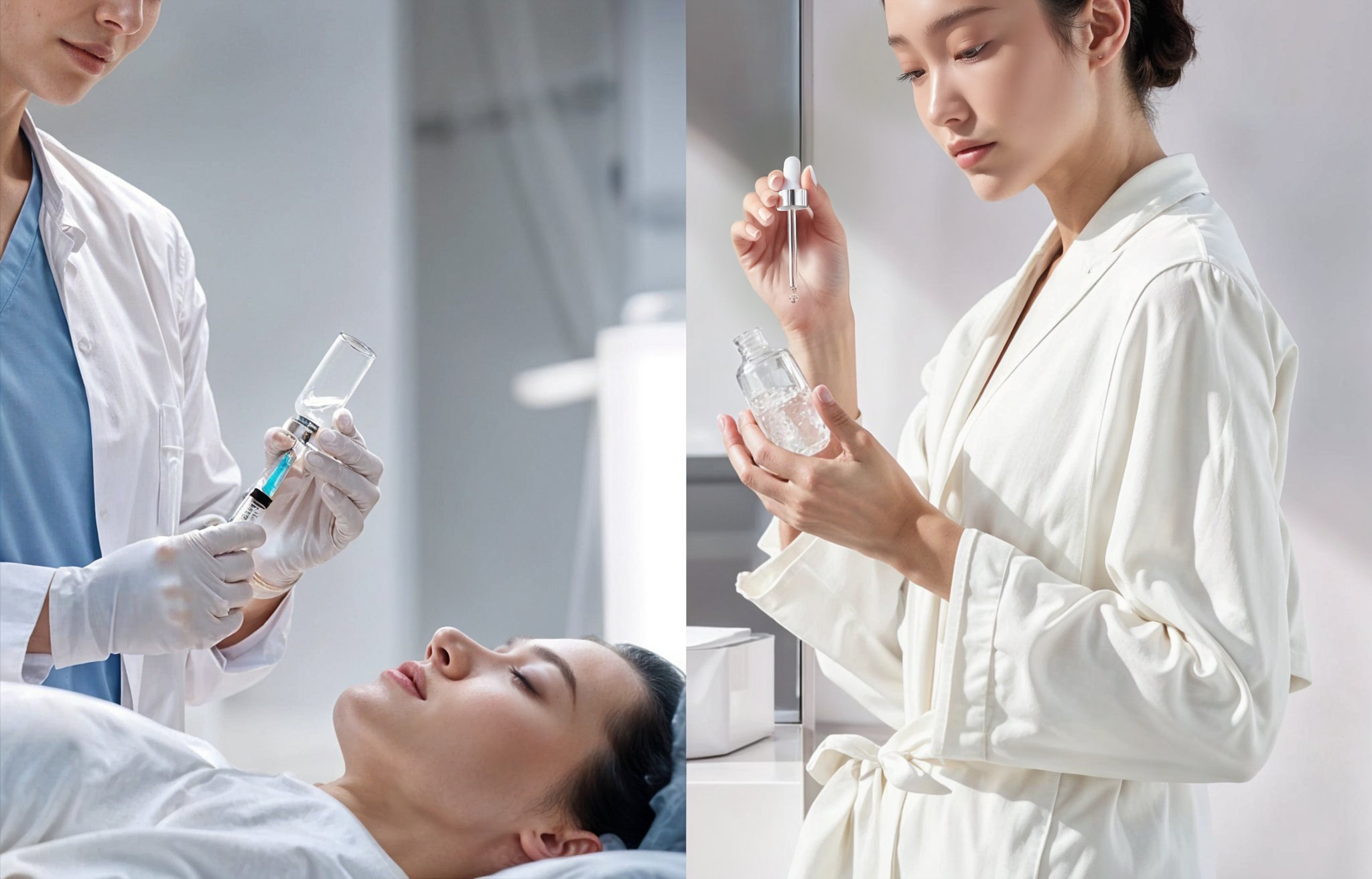
Though still new to many in the beauty world, PDRN has been gaining research interest for years. Studies show its benefits in:
Wound healing
Reducing inflammation
Stimulating collagen
Improving skin texture and hydration
And it’s not just in labs—Korean dermatologists now regularly use PDRN in injectables and skin boosters to help with scarring, texture, and post-acne healing. Increasingly, it’s showing up in everyday skincare formats like serums, ampoules, toner pads, and recovery creams, making regenerative skincare more accessible to consumers at home.
A Market Full of Opportunity

Globally, PDRN in skincare is still in early stages—but it's growing fast.
Asia-Pacific: PDRN mentions in skincare launches rose from 0.3% to 1.2% year-over-year (Mar 2023–Feb 2025), a 300% increase led by South Korea, with China and Japan following.
North America: In North America, only 11.2% of consumers are aware of PDRN, yet it’s projected to account for 38% of global demand by 2032 (Credence Research, 2025).
Europe: Use is growing in medical spas and clinical skincare sectors.
This means many regions—like the US, UK, Australia, and Canada—still offer a first-mover advantage for brands looking to introduce PDRN into their lines.
More Than a Passing Trend
Unlike ingredients that trend and disappear, PDRN has the science and story to go the distance. It fits right into today’s key skincare trends:
✅ Next-Gen Innovation & Regenerative Beauty
Consumers are tired of overused ingredients like hyaluronic acid. PDRN offers something new—deep skin renewal with real, regenerative benefit.
✅ Science-First Formulas
Shoppers want clinically backed ingredients. PDRN’s medical origins give it strong credibility.
✅ Gentle But Powerful
With low irritation and visible results, PDRN fits the demand for barrier-friendly skincare.
✅ Accessibility Meets Word-of-Mouth
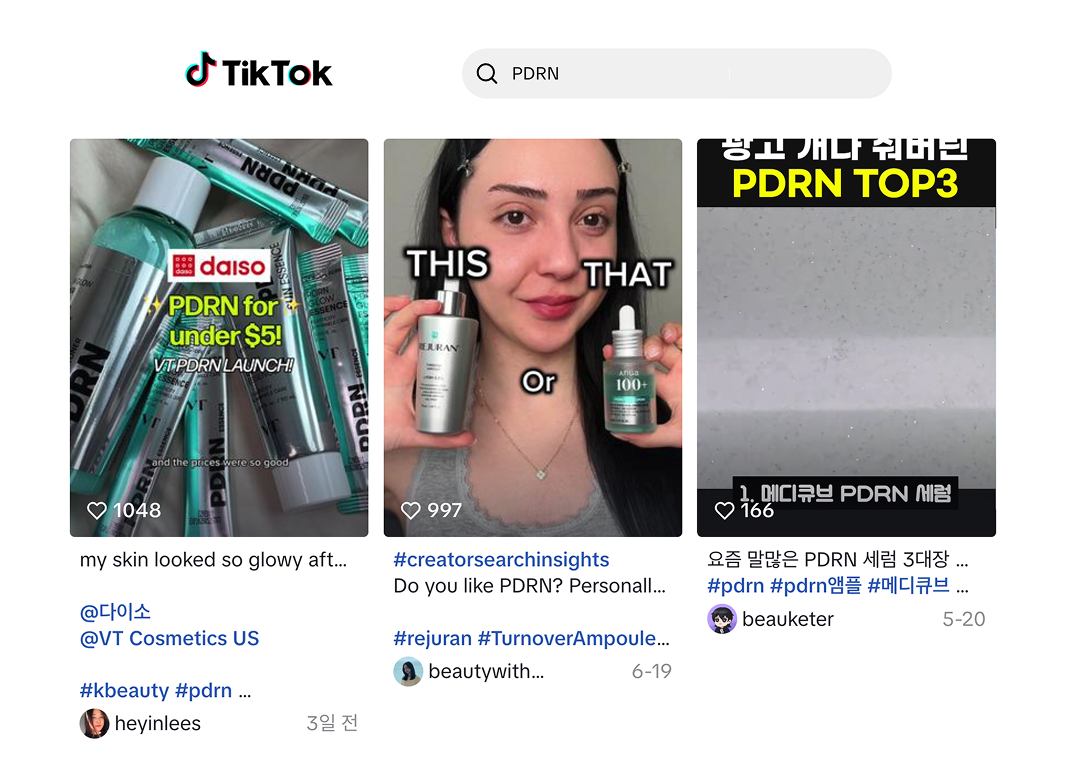
Now found in at-home products, PDRN’s rise is fueled by TikTok creators showing real before-and-after results.
✅ Sustainability
Vegan and biotech PDRN are making regenerative skincare more ethical and inclusive.


