






















The beauty industry is constantly searching for the next ingredient. While emerging actives such as PDRN, exosomes, and peptides are quickly gaining attention, long-established botanical ingredients continue to play an important role in product development. Licorice is one of the most notable examples.
But this is not simply a case of an old ingredient making a comeback. What has changed is not the direction of the trend, but the way ingredients are evaluated.
Consumers today look beyond whether an ingredient feels new or unfamiliar. They also consider which skin concerns it addresses, what evidence supports its benefits, and how it is actually used in a finished product. This is why familiar ingredients can gain renewed relevance when viewed through today’s standards.
Does Innovation Always Have to Look New?
Emerging Ingredients in the Spotlight
PDRN · Exosomes · Peptides
Long-Established Botanical Ingredient
Licorice (Glycyrrhiza)
A New Lens on a Long-Used Ingredient: Licorice
Licorice is derived from the roots of plants in the Glycyrrhiza genus and has a long history of use in traditional medicine.
Today, however, the cosmetics industry no longer views licorice as simply a traditional herbal ingredient. It is examined in greater detail—from licorice root extract to specific compounds such as glabridin, a key flavonoid found in Glycyrrhiza glabra, and licochalcone A, which is abundant in Glycyrrhiza inflata.
As licorice is studied at the ingredient and compound level, research has expanded into more specific areas of skin benefit. These include soothing and inflammation-related effects, pigmentation and skin tone-related effects, and antioxidant activity.
In other words, licorice is no longer defined only by its history as a traditional ingredient. It is being re-evaluated based on what it can actually do for the skin.
The Way We Evaluate Ingredients Is Changing
In the past, ingredient marketing often centered on how new an ingredient was. Ingredients that felt novel, rare, were sourced from unfamiliar regions, or came with a compelling story were more likely to capture consumer attention.
But in 2026, the beauty industry is applying a different set of standards. Beauty Independent’s skincare outlook points to a growing tendency among consumers to look beyond marketing narratives and examine ingredients, efficacy, and the evidence behind product claims more closely. BeautyMatter has also highlighted the growing importance of clinical data and transparent substantiation in building trust in both products and brands.
Ultimately, what matters is not simply whether an ingredient has a new name, but how clearly its role can be explained—and how effectively that role is translated into the final product.
Licorice Through a New Lens
Even within “licorice,” the areas studied and the strength of evidence can vary depending on the plant species and the specific compound used.
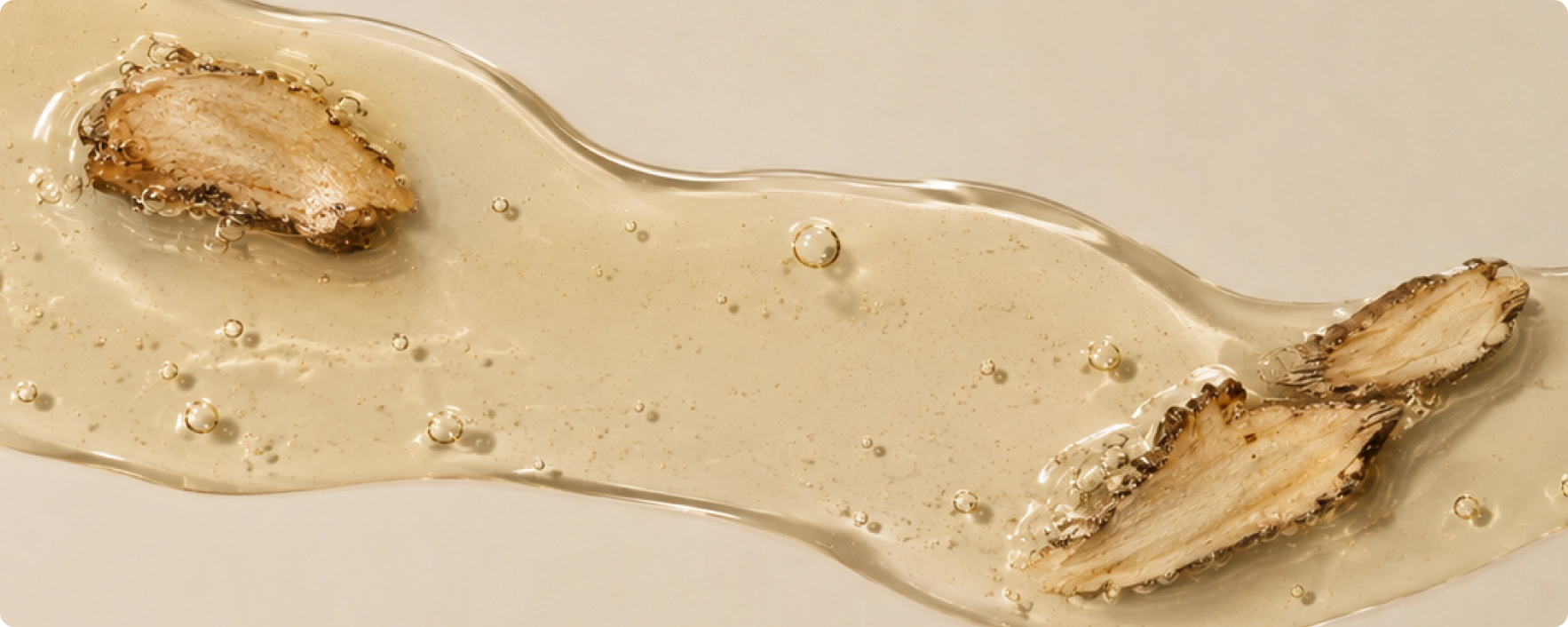
Glycyrrhiza glabra · Glycyrrhiza uralensis · Glycyrrhiza inflata
Licorice Root Extract
The composition can vary depending on the licorice species.
In cosmetics, licorice root extract is widely used for soothing, skin tone care, and antioxidant-related benefits.
Evidence Type
Review Articles · In Vitro Studies
Primarily found in Glycyrrhiza glabra
Glabridin
A key flavonoid found in licorice.
Cell and animal studies have reported its potential to inhibit tyrosinase activity and help suppress inflammation-related responses. Because glabridin has low water solubility and is sensitive to light, formulation design is important to help support its stability and delivery in cosmetic products.
Evidence Type
In Vitro Studies · Animal Studies
Abundant in Glycyrrhiza inflata
Licochalcone A
Clinical studies have reported its potential to help reduce post-shaving irritation and UV-induced skin redness, while in vitro research has also explored its role in the Nrf2 pathway associated with antioxidant defense.
Evidence Type
Human Clinical Studies · In Vitro Studies
● Includes human studies
○ Primarily supported by in vitro, animal, and review-level evidence — Outside the scope of this article
* Research findings do not necessarily reflect the efficacy of a finished product. Much of the research on licorice has been conducted at the cellular level. A 2026 review of glabridin also notes that existing clinical studies often involved small sample sizes or formulations containing multiple ingredients, making it difficult to attribute observed effects to glabridin alone.
Ultimately, how an ingredient is translated into a finished product matters just as much as the research behind it.
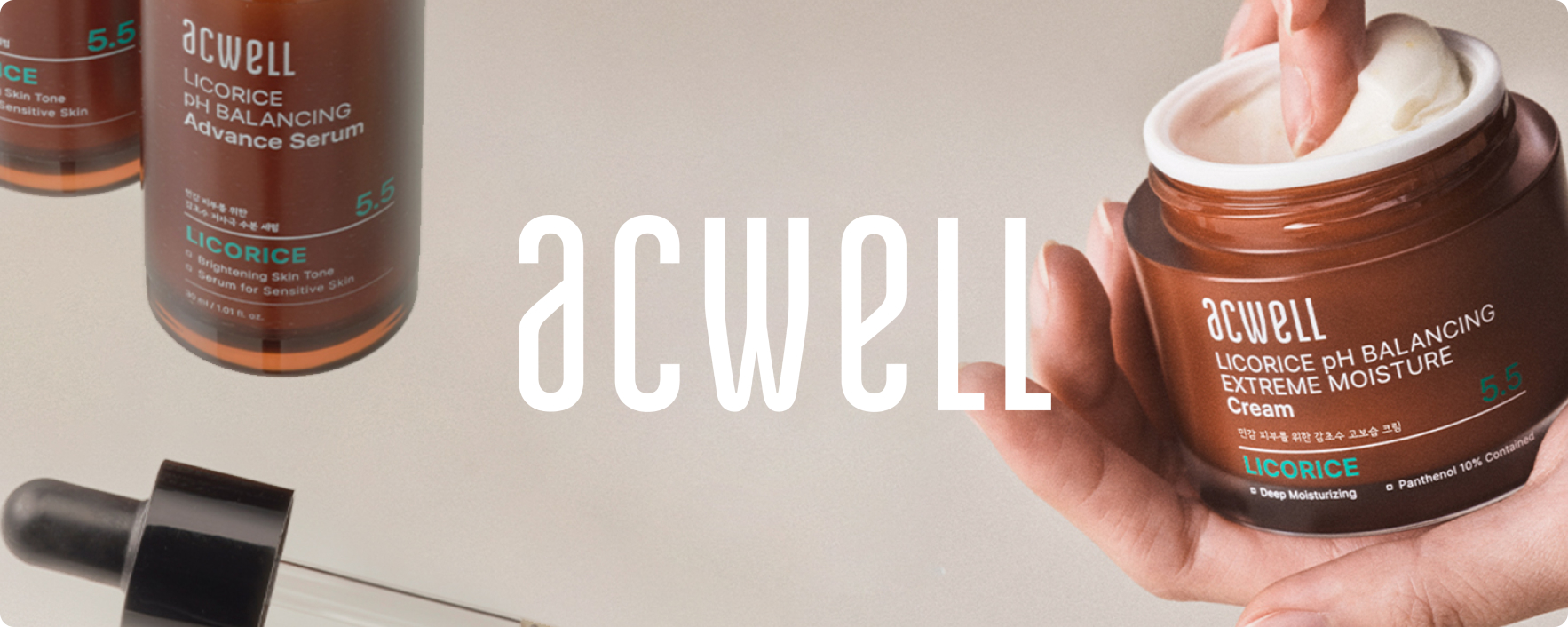
ACWELL Turns Licorice into a Complete Product System
ACWELL is a Korean skincare brand by BNH Cosmetics. Its official global website features two main lines, Licorice pH Balancing and Aqua Balancing, both of which incorporate traditional Korean ingredients into modern skincare.
What stands out is not simply the number of licorice-based products, but the way a single ingredient is applied consistently across an entire routine. The Licorice pH Balancing collection spans cleansers, toners, toner pads, serum ampoules, mists, gel masks, eye creams, and creams, allowing consumers to experience licorice across multiple steps of their skincare routine.
Another key element of the line is pH balancing. Several products, including the Cleansing Toner, Pore Cleansing Gel Foam, and Eye Cream, are labeled pH 5.5 on ACWELL’s official product pages. In Korea, the line is also consistently communicated under the concept of “Licorice Water pH Balancing,” reinforcing pH balance as a core part of the collection’s identity.
Licorice pH Balancing Routine
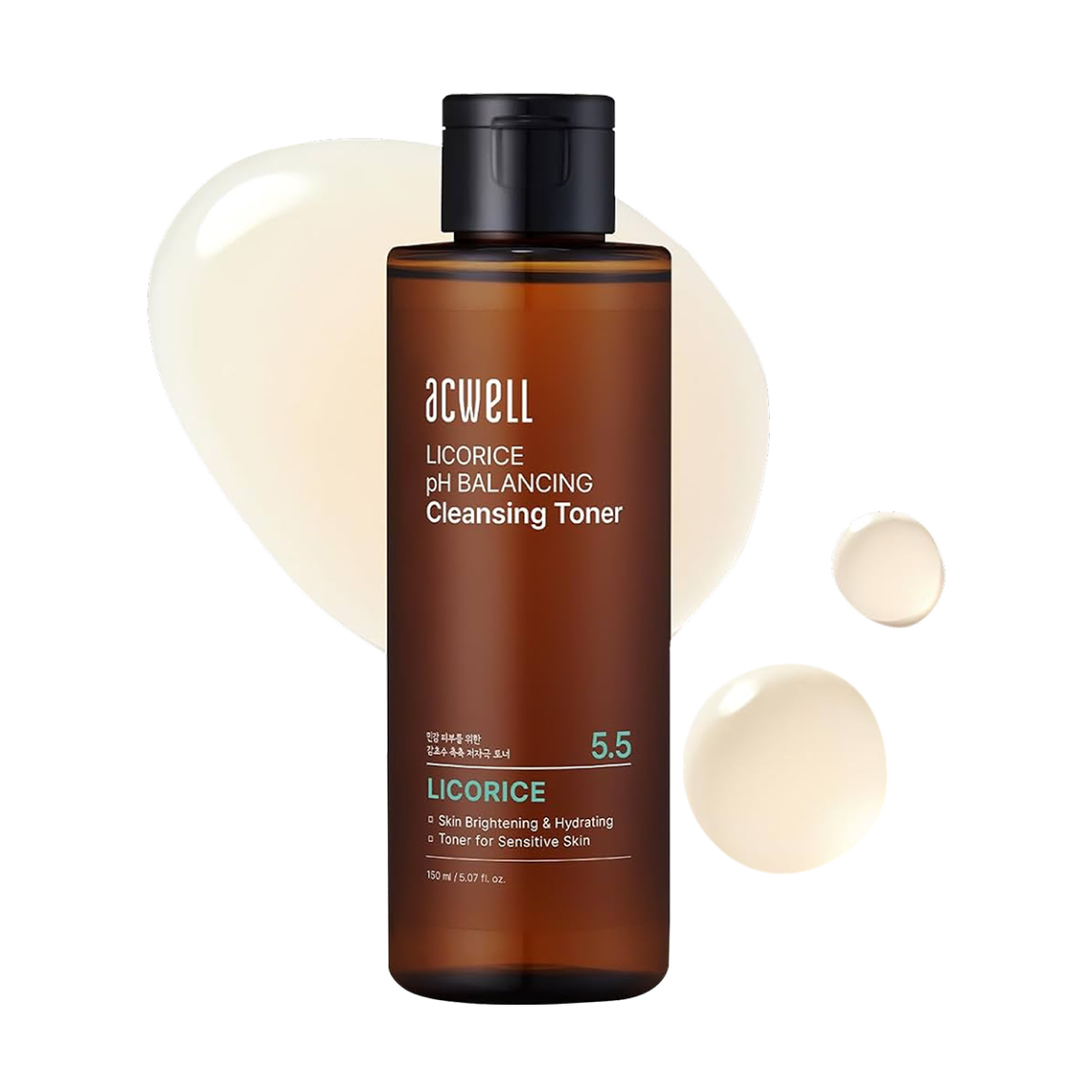
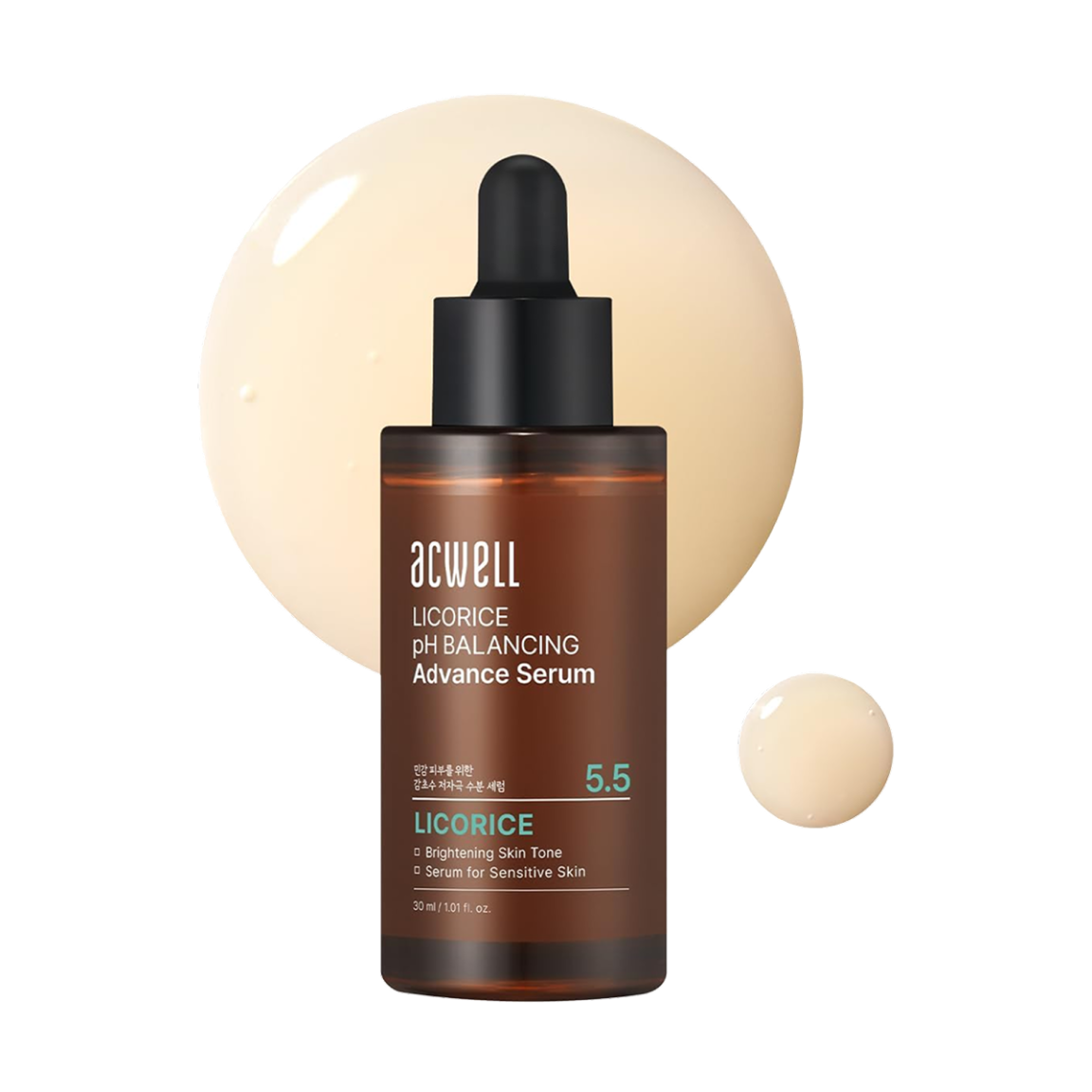
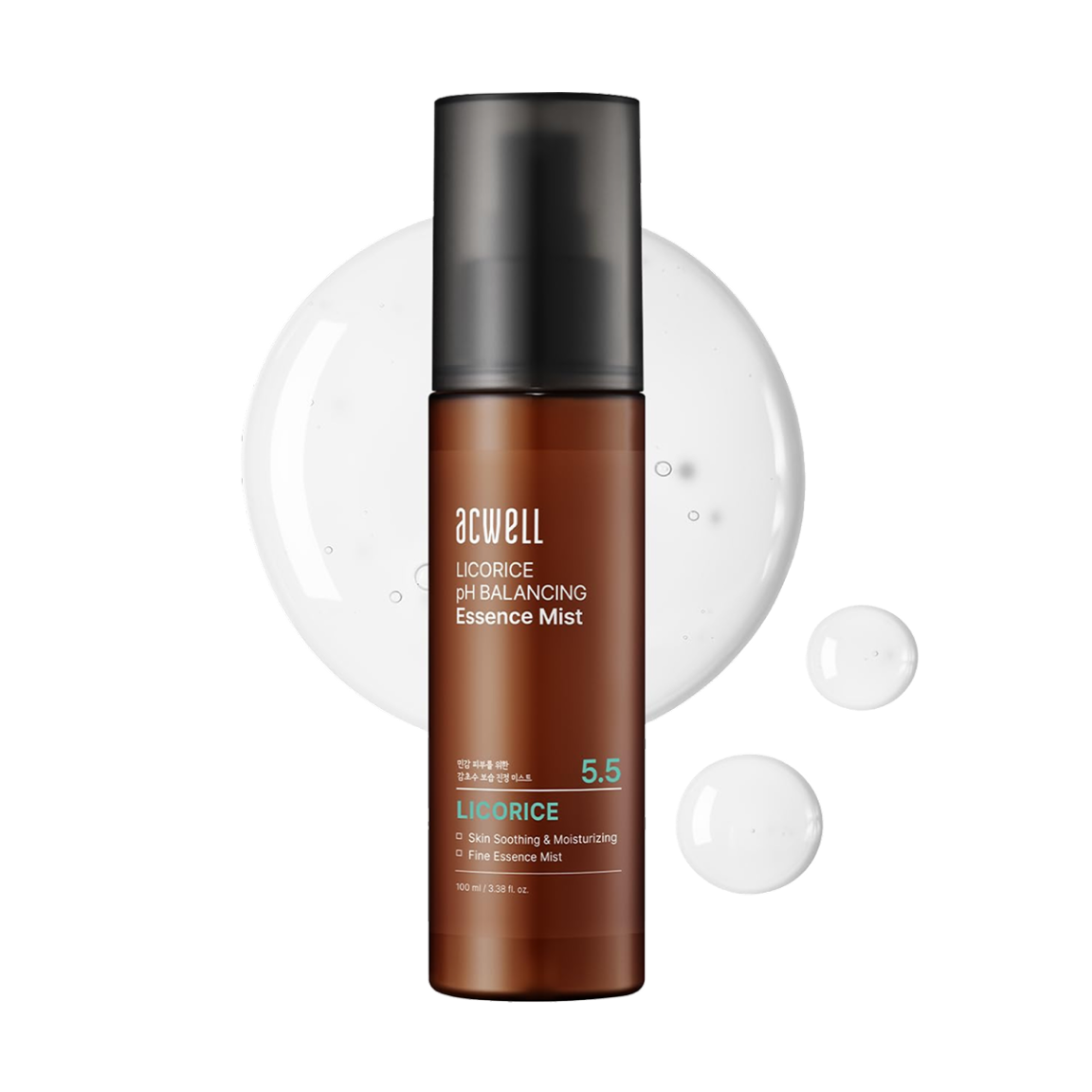
71%
Same Ingredient, Different Formulation Strategy
ACWELL does not simply use licorice at the same level across every product.
Instead, the brand adjusts the concentration, texture, and supporting ingredients according to each product’s role within the routine. The Serum Ampoule uses a high proportion of licorice water, while the Cream incorporates licorice into a moisturizing formula centered on panthenol and ceramides.
Serum Ampoule
Advanced Facial Serum Ampoule
Pore Cleansing Gel Foam
306,934ppm
Cleansing Toner
10% Licorice Root Water
Toner Pad
97,001ppm
Extreme Moisture Cream
9,501ppm
Based on Glycyrrhiza Glabra Root Water as listed in ACWELL’s official ingredient information. ppm-to-% conversions were calculated by CTKCLIP.SHOP. The mist, mask, and eye cream were excluded because their licorice water content is not disclosed. Ingredient concentration does not indicate product efficacy.
Why CTKCLIP.SHOP Is Watching ACWELL
CTKCLIP.SHOP is taking note of how ACWELL has expanded the familiar ingredient of licorice beyond a single product, making it a core ingredient that connects products across the entire line.
01
The Race to Find New Ingredients

The Race to Reinterpret Familiar Ingredients
Being new is no longer enough to create meaningful differentiation. What matters is which skin concerns an ingredient addresses and how effectively it is translated into the final product.
02
The Story Behind Traditional Ingredients
A Role Connected to Today’s Skin Concerns
Rather than focusing primarily on the history of the ingredient, ACWELL’s official messaging emphasizes current skin concerns such as dullness, uneven skin tone, and the moisture barrier.
03
An Ingredient in a Single Product
A Signature Ingredient Across the Line
Licorice goes beyond serving as a USP for one product. It becomes a signature ingredient that connects multiple product categories across the line.
04
Using an Ingredient
Turning an Ingredient into a Brand Asset
The ingredient name becomes the line name, and the line expands into a complete skincare routine.
When Reimagining a Familiar Ingredient
Being a long-established ingredient does not automatically make it competitive. Brands developing products or lines around traditional ingredients should be able to answer five key questions.
1. WHY | Why This Ingredient Now?
Is there a clear reason to revisit this ingredient based on what today’s consumers value?
2. PURPOSE | What Skin Concern Does It Address?
Can it be explained through the language of skin concerns, rather than only through its history?
3. HOW | How Is It Built into the Product?
Are its format, concentration, formulation, and supporting ingredients intentionally designed?
4. EVIDENCE | What Supports the Story?
Can ingredient-level research be clearly distinguished from finished-product testing?
5. SCALABILITY | Can It Become a Brand Asset?
Can it extend beyond a single product into a recognizable line and routine?
CTKCLIP.SHOP’s Perspective
ACWELL has gone beyond using licorice in a single product, expanding it into a core ingredient that runs across the entire line and routine.
What matters is not simply repeating a familiar ingredient, but reinterpreting it through the brand’s own perspective and building that meaning consistently over time.
That is why CTKCLIP.SHOP is watching ACWELL.

